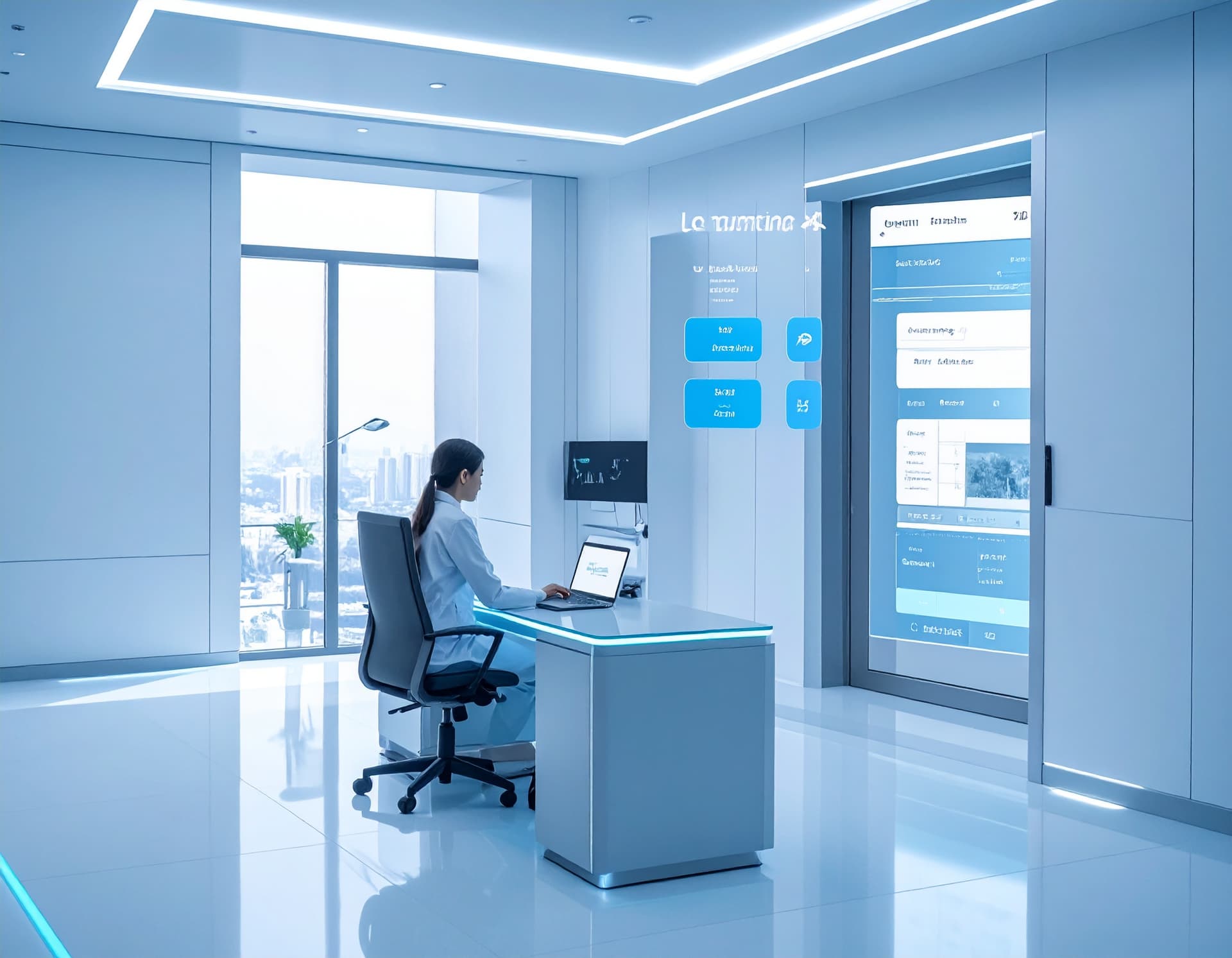
Multi-Channel Communication Management in Healthcare with CRM and Calendar Integrations
Table of Contents
- Introduction
- The Role of CRM Integrations in Multi-Channel Healthcare Communication
- Patient Appointment Management with Calendar and Work Tool Integrations
- Enhancing Healthcare Staff Coordination with CRM Calendar Systems
- Strengthening Automated Reminder Systems in Healthcare via CRM Integrations
- CRM and Calendar Synchronization in Multi-Channel Communication Management
- Optimizing Patient Communication Processes with CRM Calendar Integrations
- Improving Time Management in Healthcare with Work Tool Integrations
- Enhancing Service Quality in Healthcare with CRM, Calendar, and Communication Tools
- The Importance of CRM Calendar Integrations for Data Security in Multi-Channel Communication
- Personalization in Multi-Channel Healthcare Communication with CRM and Work Tool Integrations
- Patient Tracking and Reminder Systems in Healthcare via Calendar and CRM Integrations
- Using CRM, Calendar, and Work Tools Together in Multi-Channel Healthcare Communication Management
- Frequently Asked Questions
Introduction
Missed appointments or overlooked important information are common challenges in daily life. In healthcare, these issues can have critical consequences for both patients and staff.
CRM and calendar integrations bring communication channels together under one platform, streamlining appointment management and patient information. This enables healthcare institutions to deliver more organized and effective services.
This article explores how multi-channel communication is strengthened in healthcare and how CRM and calendar systems accelerate workflows. We also detail the benefits these technologies provide to both patients and healthcare professionals.
The Role of CRM Integrations in Multi-Channel Healthcare Communication
CRM systems create a centralized structure in healthcare communication, strengthening connections between patients and staff. CRM and calendar integrations combine different communication channels for more efficient management.
Key benefits:
- Effective appointment tracking
- Up-to-date patient records
- Automated messages and notifications
- Integrated communication channels
- Better staff time management
- Tracking communication history
- Increased patient satisfaction
- Data security assurance
- Streamlined workflows
- Reduced error rates
These benefits form the foundation of effective communication and patient trust in healthcare.
Patient Appointment Management with Calendar and Work Tool Integrations
Calendar and work tool integrations simplify scheduling and managing patient appointments. They prevent scheduling conflicts, ensure patients are notified on time, and automate follow-up processes.
As a result, healthcare professionals experience reduced workload, and patient satisfaction increases. This technology supports efficiency in healthcare management.
Enhancing Healthcare Staff Coordination with CRM Calendar Systems
CRM calendar systems organize staff tasks and meetings, improving team coordination. They speed up internal communication and enhance planning efficiency.
Key features:
- Centralized task management
- Simplified meeting scheduling
- Multi-channel communication integration
- Faster information sharing
- Automatic appointment and reminder tracking
- Real-time staff schedule updates
- Improved transparency and coordination
- Balanced workload distribution
- Reduced workplace stress
These systems enhance team collaboration and improve the quality of patient care.
Strengthening Automated Reminder Systems in Healthcare via CRM Integrations
Integrating automated reminder systems with CRM reduces missed appointments and improves patient engagement. With calendar integration, patients receive timely alerts via SMS, email, and other channels.
Benefits of automated reminders:
- Reduced no-show rates
- Increased patient adherence
- Streamlined follow-ups
- Efficient operational workflow for staff
- Enhanced patient communication
CRM and Calendar Synchronization in Multi-Channel Communication Management
Synchronizing CRM with calendar systems ensures consistent, up-to-date information across platforms. Appointment reminders, patient data, and treatment plans are updated in real-time.
This prevents communication gaps, accelerates patient follow-up, and enables more efficient process management. Multi-channel communication management is a key factor in improving healthcare service quality.
Optimizing Patient Communication Processes with CRM Calendar Integrations
CRM and calendar systems centralize patient communication, enhancing coordination. This integration allows for fast and accurate management of appointments and notifications.
Key benefits:
- Easier appointment tracking
- Centralized patient communication
- Automated notifications
- Reduced error rates
- Real-time calendar updates
- Multi-channel support
- Accelerated workflow
- Improved patient experience
- Enhanced staff coordination
- Secure data sharing
These systems support efficient and patient-focused communication processes in healthcare.
Improving Time Management in Healthcare with Work Tool Integrations
Work tool integrations optimize time management in healthcare institutions. Integrated with CRM and calendar systems, these tools make appointment and communication workflows more organized.
Benefits:
- Simplified appointment scheduling
- Faster patient communication
- Balanced workload
- Real-time notifications
- Calendar synchronization
- Integrated multi-channel messaging
- Reduced waiting times
- Time savings
- Improved staff productivity
- Minimized communication errors
- Higher patient satisfaction
These advantages increase operational efficiency and service quality in healthcare.
Enhancing Service Quality in Healthcare with CRM, Calendar, and Communication Tools
Integrating CRM, calendar, and communication tools streamlines multi-channel communication in healthcare. This setup facilitates more effective management of appointments, notifications, and treatment processes.
The result: improved patient satisfaction, higher service quality, and enhanced staff time management. These systems support transparent, patient-centered care.
The Importance of CRM Calendar Integrations for Data Security in Multi-Channel Communication
Data security is critical in healthcare communication. CRM and calendar integrations provide advanced security measures to protect patient information.
Key points:
- Encryption of patient data
- Prevention of unauthorized access
- Data backup
- Up-to-date access logs
- Secure and fast authentication
- Safe login methods
- Controlled data synchronization
- Error and risk minimization in workflows
- Early warning systems
- Prioritization of patient privacy
These features ensure reliable communication and secure data management in healthcare.
Personalization in Multi-Channel Healthcare Communication with CRM and Work Tool Integrations
CRM and calendar integrations enable personalized communication in healthcare. Patient information is centralized, and appointment reminders and treatment follow-ups are tailored to each individual.
Benefits:
- Improved time management
- Enhanced patient satisfaction
- Personalized reminders and notifications
- Streamlined workflow
- Multi-channel engagement
- Secure data handling
Patient Tracking and Reminder Systems in Healthcare via Calendar and CRM Integrations
Calendar and CRM integrations automate patient tracking and reminders. Patients are regularly informed, and appointments are managed efficiently.
This reduces communication gaps and ensures transparency and reliability in healthcare services.
Using CRM, Calendar, and Work Tools Together in Multi-Channel Healthcare Communication Management
Combining CRM, calendar, and work tools provides a holistic approach to healthcare communication. This integration consolidates patient tracking, appointment management, and multi-channel communication into a single platform.
Features:
- Automated appointment tracking
- Messaging and email integration
- Task and reminder management
- Centralized patient records
- Quick access to communication history
- Multi-channel communication support
- Digital workflow optimization
- Improved time and resource planning
- Organized doctor-patient interactions
- Data security and privacy measures
This comprehensive setup makes healthcare communication more transparent, fast, and reliable.
Frequently Asked Questions
How do CRM and calendar integrations simplify communication in healthcare?
They consolidate patient appointments, communication channels, and treatment workflows into a single platform, enabling fast and error-free multi-channel management.
What is multi-channel communication management, and why is it important in healthcare?
It refers to interacting with patients across phone, email, messages, and face-to-face channels. This approach ensures quick responses and efficient treatment processes.
How does workflow speed up with CRM and calendar integrations?
Appointments are updated automatically, and reminders are sent in real-time, reducing delays and maintaining smooth workflows.
How is patient experience improved through these integrations?
Patients can easily track appointments, receive quick responses, and reduce the risk of missed visits, enhancing trust and satisfaction.
What should healthcare professionals consider when using these systems?
Prioritize data security and patient privacy, ensure user-friendly system design, and maintain effective team communication.
With Upsense, communication and coordination in healthcare become more reliable and efficient than ever.